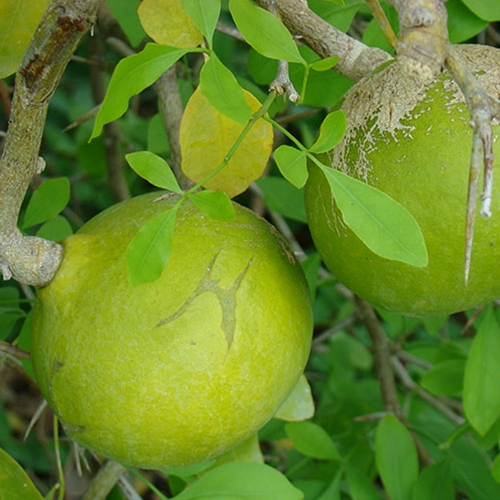
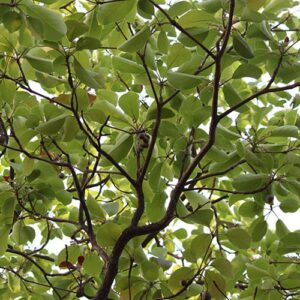

Bel or Bael fruit is known by many names. The fruit contains volatile oils, pectin, and tannins. The wood-ash is rich in minerals and phosphates. The fruit contains riboflavin and is used in numerous products, such as candy, squash, and toffee. It can also be found in the form of its pulp powder and nectar.
Bel fruit may be taken directly or in the form of its juice. The health value of the fruit is considered to be principally dependent upon its tannin contents. Bel fruit is thought to be nourishing, cleansing, and supportive of digestion in Ayurvedic cultural tradition.*
At Shaman’s Garden we offer dried slices of Bel Fruit. The fruits are traditionally prepared for use as a tea by soaking them in water before boiling and straining them to remove fiber. The resulting liquid is sweetened and drunk. The traditional fruit tea may be diluted with water and ice and a squeeze of lime juice added to make a refreshing drink.
Common (and not so common) Names: Aegle marmelos, bael, bael fruit, bengal quince, golden apple, japanese bitter orange, stone apple, wood apple, bili, bhel, bel fruit
If using prescription medications, seek the advice of a health care professional before using this product. Not to be taken during pregnancy or if breastfeeding. Not for use by persons under the age of 18 years. Keep out of reach of children.
*These statements have not been evaluated by the Food and Drug Administration. This product is not intended to cure, treat, diagnose, or prevent any disease.

Reviews
There are no reviews yet.