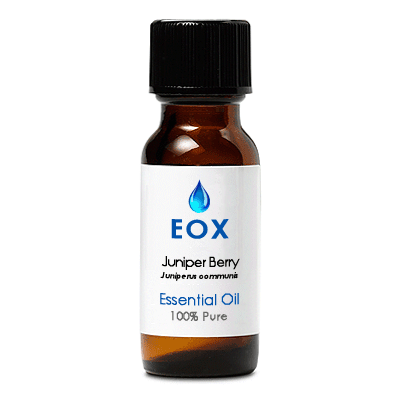
Botanical name: Juniperus communis
Color: Clear
Consistency: Thin
Perfumery note: Middle
Related Planets/Deities: Jupiter/Astarte (Phoenician goddess)
Aroma: Sharp, rich, complex, a minty, weedy scent
Energetic Properties: Purifying, connective, dark, introspective.
Aromatherapy Properties: A water-white or pale yellow mobile liquid with a sweet, fresh, woody-balsamic odor. It blends well with balsam tolu, benzoin, cedarwood, clary sage, cypress, elemi, fir needle, galbanum, geranium, labdanum, vetiver, sandalwood, lavender, mastic, oakmoss, pine, rosemary, and citrus oils.
Spiritual Uses: Juniper has long been used to create clairvoyance and to bridge the gap between this world and what lies beyond. It is also useful for purification, and is traditionally burned in the celebration of Samhain. It is one of the nine woods traditionally placed in a Celtic balefire. Juniper is useful for protection magick, particularly for warding off theft.
Blends well with: Juniper blends nicely with woody scents, such as Cypress, Cedarwood, and Sandalwood, and also with Lavender. It mixes well with citrus oils such as Lemon, Lime, Bergamot, and Grapefruit, and with Vetiver and Clary Sage.
History: Although not native to Egypt, Juniper berries have been found in ancient Egyptian tombs, and it is believed that they may have been imported from Greece. The Greeks reported on the medicinal benefits of Juniper berries long before using them in food. They were used by athletes in the ancient Greek Olympics, as they were believed to increase strength and stamina. Juniper is the chief flavoring ingredient in gin, the liquor developed in the Netherlands in the 17th century; the name “gin” itself derives from either the French (genièvre) or the Dutch (jenever), both meaning “Juniper.” In the Scottish Highlands on New Year’s Day, Juniper was often burned both in the house and in bonfires outdoors.
Perfect for use with our Ceramic Oil Burners as well. These oils are sold for aromatherapy purposes only.




Reviews
There are no reviews yet.