
According to the ancient ancestral cult embodied in India, Nepal, Burma, Tibet and China, the roles played by shamans was unparalleled by either king or priest. The word “shaman” originates from two sources: India and Russia. The first shamans as we know them came from the Tungus people in northern Siberia, who related its origin to the Hindu word Samaa or Sramaa, which means “the monk who can speak to plants and animals”.
Through rigorous training and practice these holy men who wandered the Himalayas learnt the art of going into a trance, using music and breathing rhythms among other techniques. In these regions it is believed that a good shaman is able to acquire admission to other planes of reality, that his soul can leave his body, go into heaven or the underworld and come back with messages for his people.
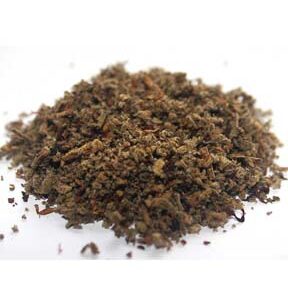
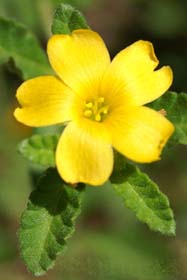
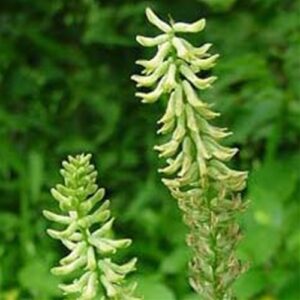
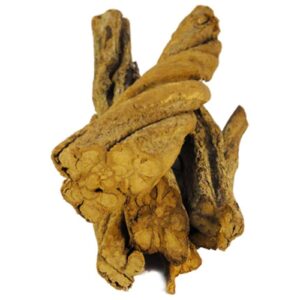
In honor of the plants commonly used by Nepalese shaman, we combined oils, powders, petals and seeds of Blue Lotus, Calamus (Acorus calamus var. americanus), Camphor, Red Poppy petals, Acacia, Davana, Frankincense, Galangal, Turmeric, Valerian, Skullcap and Sweetgrass.
A pinch (less than 3 grams) may be mixed with any smoking blend, either in a pipe or rolled as a cigarette.
For a more ceremonial use, you can also throw a pinch of the Nepalese Shaman blend onto a hot rock or in a charcoal burner set on a tripod. Inhale the vapors deeply for a few minutes, lie down on your back, close your eyes and meditate on your third eye. We find this ritual even more pleasant when combined with soft music and a soothing cup of non-caffeinated herbal tea.
This product is not intended or sold for ingestion by humans or animals. It is sold only for use as an incense or for smoking. WARNING: Smoking anything, including herbal products of any kind, is harmful to the body.
Reviews
There are no reviews yet.